Sea
Ocean freight
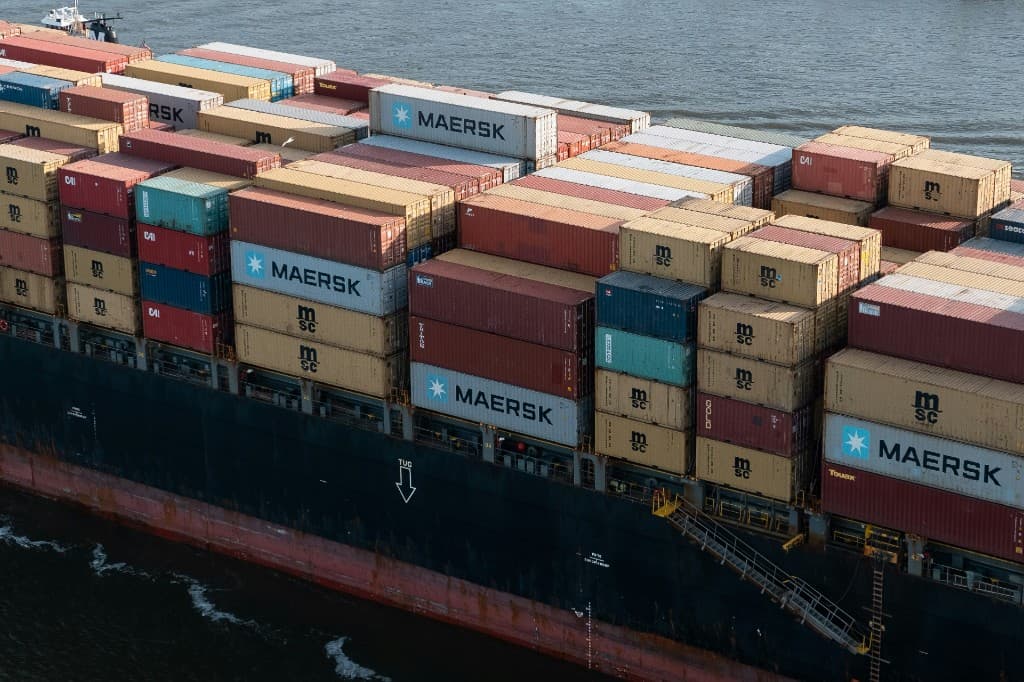
Scale on the water. Casco ocean is for cargo that should move as a schedule, not as a sprint — FCL and LCL, with the same tracking language as air and road.
Who it's for
Importers and exporters
Businesses that think in ports, vessel schedules, and gate-in dates — not next-day parcel tracking. Ocean when volume and cost beat the clock.
FCL and LCL shippers
Full container loads when you fill a box; less-than-container when you share space. Both receive Casco-S- IDs and the same itinerary steps.
Long-lead supply chains
Manufacturing inputs, retail seasonal stock, and project cargo that plans weeks ahead. The timeline shows gate-in through discharge, not daily ping anxiety.
How it moves
01
Gate-in and loaded
Cargo enters the origin CFS or terminal, is received, and loaded. These are separate events on the timeline so you know whether the box is merely booked or actually on the water.
02
Ocean transit
Departed port of loading; in transit on the ocean. Hub labels come from named waypoints in events or mode words when the lane is schematic.
03
Arrival and availability
Arrived port of discharge, discharged, available or on-carriage. Customs and inland haulage may follow as road events on the same or a linked ID.
What we can arrange
FCL — full container load
Dedicated container for your cargo. We confirm equipment type, port pair, and cut-offs. Tracking walks through gate-in, loaded, POL, transit, POD, and discharge.
LCL — less than container
Consolidated ocean freight when a full box is not justified. Same event language; consolidation details confirmed in the quote.
On-carriage after discharge
Road or rail from port to door can continue the story — either on the same shipment record or as a linked leg, depending on how the booking is structured.
Documentation
Paperwork travels with the cargo. Requirements vary by lane and commodity — this is the usual starting list, not legal advice.
- Commercial invoice, packing list, and bill of lading instructions
- Certificate of origin when the lane or buyer requires it
- Import licences and HS-driven permits
- Fumigation or phytosanitary certificates for regulated commodities
- Dangerous goods declaration for IMDG cargo — must be agreed before gate-in
What you can ship
Containers and consolidations that fit a commercial ocean booking. We will not pretend every HS code is fine on a webpage. Hazardous cargo, oversized units, out-of-gauge equipment, and reefer containers need explicit confirmation. If we cannot carry it on a lane, we say so before you truck cargo to a port.
Tracking IDs for this mode start with CASCO-S-. Enter yours on the tracking page to see itinerary steps and events.
Common questions
- FCL or LCL — which do I need?
- FCL when you have enough cargo to justify a full container or want exclusive use. LCL when you are shipping pallets or cartons that share space. Describe volume on Contact; we recommend honestly.
- Why does ocean tracking show “hub” instead of a vessel name?
- The schematic lane uses the latest named waypoint from events, or a mode word like Ocean transit when the timeline has no specific port yet. We do not invent vessel positions.
- Can I print a bill of lading from tracking?
- When operators store B/L fields, they appear on the tracking result under the Bill of lading tab and can be printed alone. Empty fields stay blank.