Casco Global Shipping
Track order

Global freight, delivered right.

Air, ocean, and road under one Casco view. Move cargo with a clear itinerary — and a tracking ID that stays with the shipment.

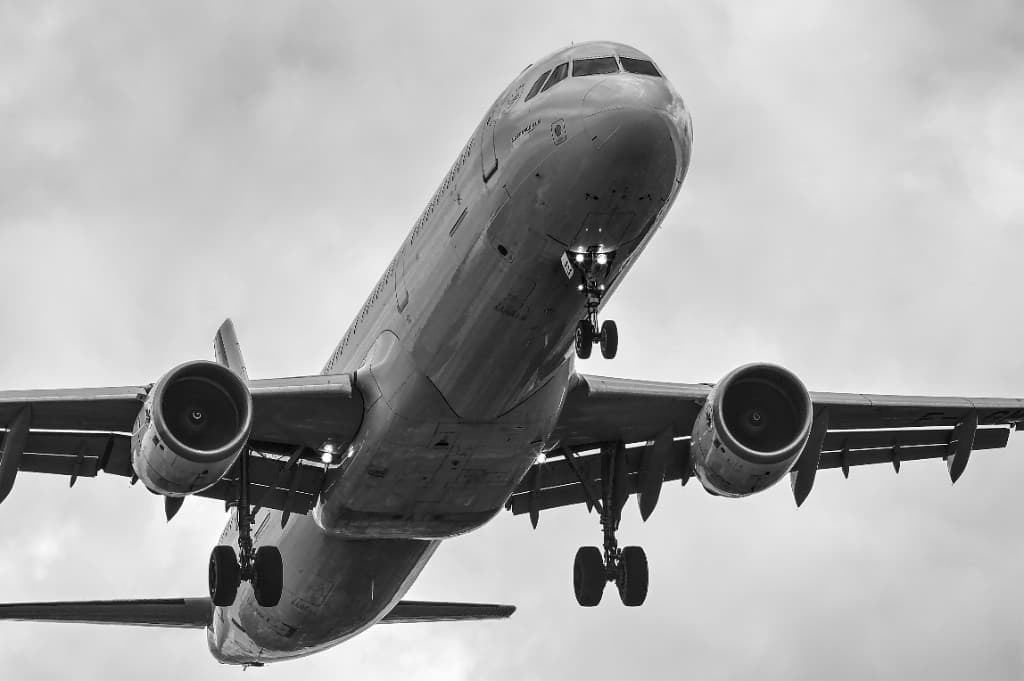
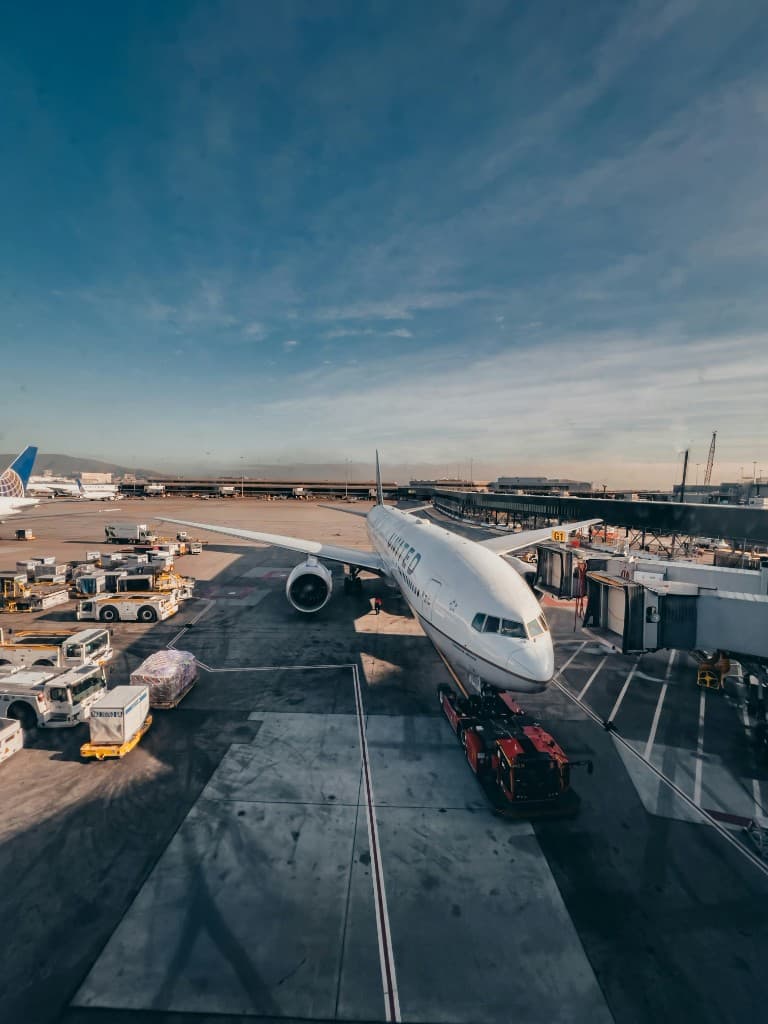
Aircraft viewed from below against clouds

Talk to operations

A person replies. No invented headcount.

Contact us

Air, sea, or land — one ID.

About us

Casco is a freight forwarder built on reliability, a readable itinerary, and three modes that stay distinct: air, ocean, and road. We organise cargo around corridors we actually run — not a map of every pin on earth. When you book with us, you get a Casco tracking ID that follows the shipment from origin through hub to destination, with events written in plain language rather than carrier jargon.

  • Air

    When the clock is the constraint

  • Ocean

    When volume and schedule matter

  • Road

    Corridors and the last mile

  • Track

    One Casco ID on the itinerary

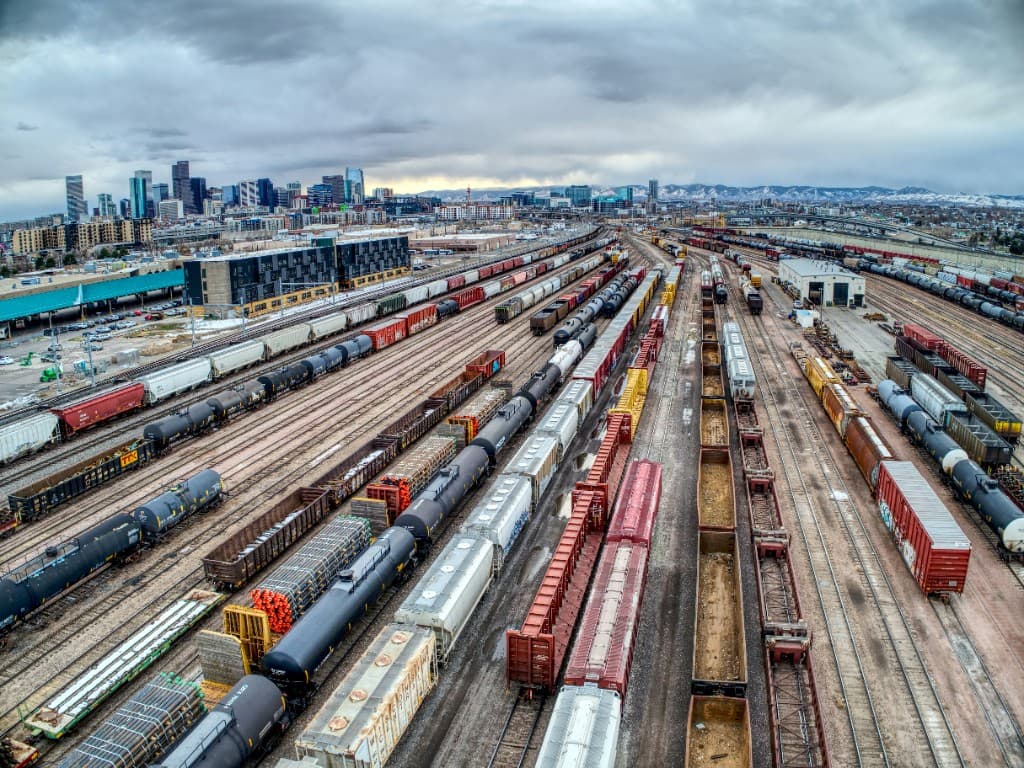
Freight railyard with cargo trains
Aircraft in flight
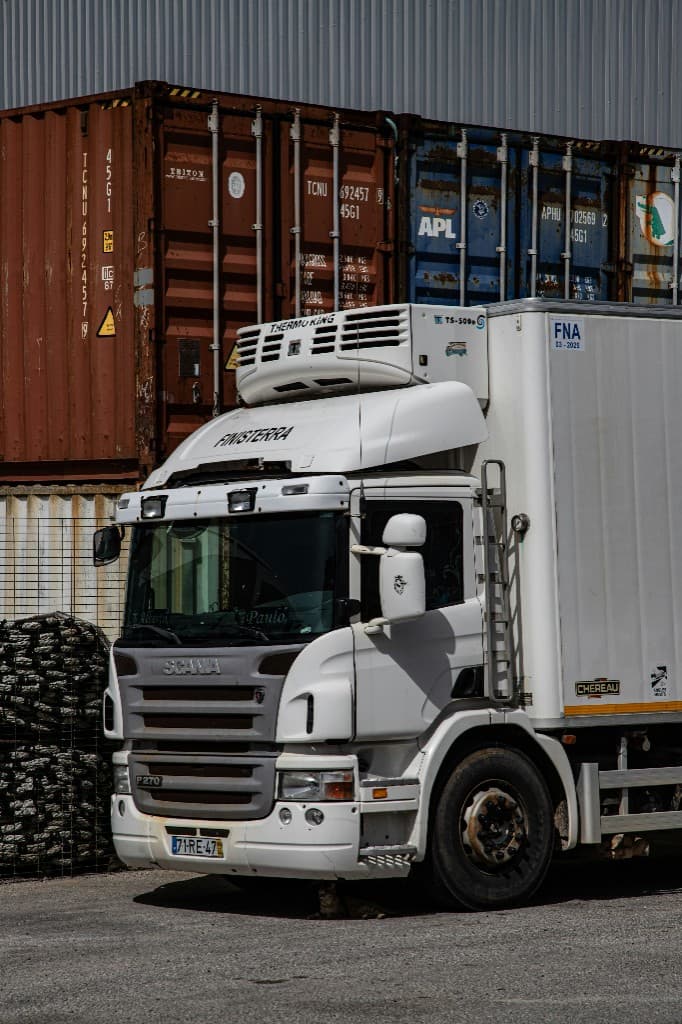
Refrigerated freight truck at a yard

Global shipping solutions, tailored to you.

Tracking, express air, careful ocean and road handling, and documentation that travels with the cargo — same Casco ID across the lane.

Every Casco shipment receives a tracking ID in the format CASCO-A-, CASCO-S-, or CASCO-L- followed by six digits. Enter that ID on the Track page to see the current status, a schematic lane from origin to destination, mode-aware itinerary steps, and a chronological event timeline. The route graphic is built from recorded events — it is not live GPS. Status copy always leads with a word; colour is secondary.

Air freight when the clock is the constraint. Casco air covers time-critical general cargo, spares, samples, and documents that cannot wait on an ocean schedule. We keep the same tracking surface as ocean and road so your team does not switch tools mid-journey. Airport pairs, uplift windows, and hand-offs at destination are confirmed in writing — not guessed on a rate card.

Ocean and road when scale and cost matter more than hours. FCL and LCL on the water; corridor freight on the ground. Documentation holds, customs delays, and exceptions appear as words on the timeline — Held for documentation, not as vague status noise. Operators update events; the public page reflects what was recorded.

Bill of lading fields, commercial invoices, packing lists, and mode-specific permits are part of the lane — not an afterthought. When your operator stores B/L data, it appears on the tracking result as a printable letterhead. Custom fields configured in operations can surface on the public shipment view when filled.

Your trusted partner in global.

Casco tiles — not carrier logos we do not own.

Got questions? We’ve got answers.

Yes. Casco moves cargo by air, ocean, and road on international lanes. Coverage is corridor-based — tell us your origin and destination on the contact form and we will confirm whether that lane is ours. We do not claim every postal code on earth.

Use the tracking ID on your Casco confirmation. Enter it on the Track page or in the field on the home page. You will see a status card, schematic lane, tabbed progress and updates, and — when stored — map pin and bill of lading. Anyone with the ID can view the itinerary; there is no customer login.

Air when time is the constraint and the cargo fits airline acceptance rules. Ocean when volume and cost matter more than days, and the schedule fits a port pair. Road for regional corridors, last mile, and on-carriage after discharge or arrival. Many journeys mix modes; one Casco ID still applies.

Open Contact, choose a mode, and describe the cargo: weight, dimensions, origin, destination, and any special handling. There is no instant rate engine — a person reads the enquiry and replies by email. Include a tracking ID if you are asking about an existing shipment.

CASCO-A- followed by six digits for air, CASCO-S- for ocean, CASCO-L- for road. Example: CASCO-A-482910. Spaces and dashes are optional when you type it; the site normalises the format.

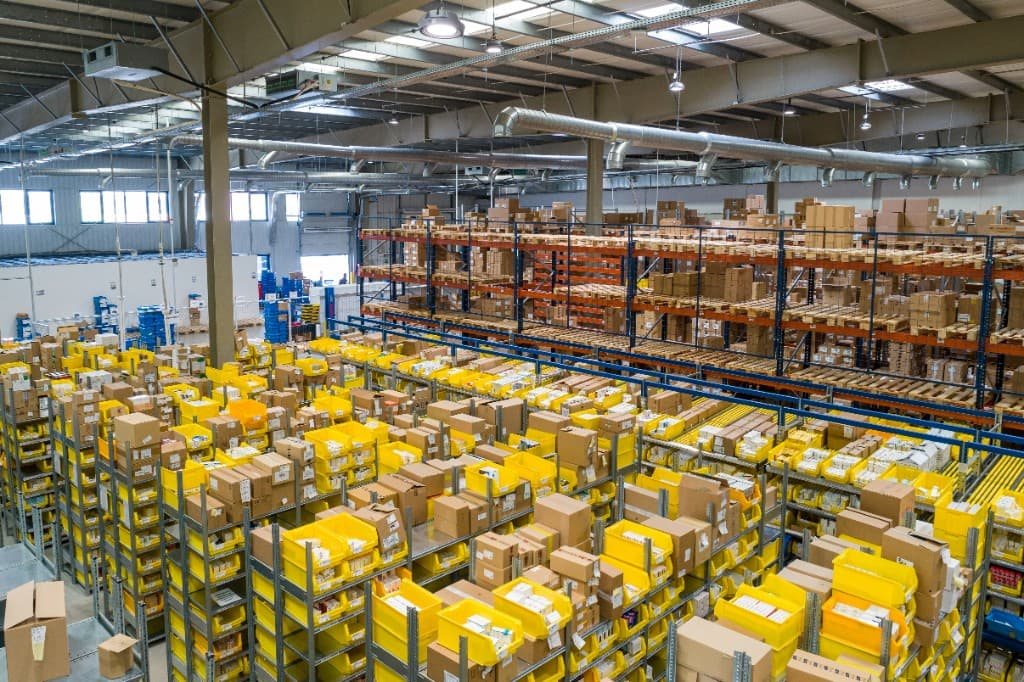
Warehousing is a supporting service around a lane — short-term storage before uplift, after discharge, or between road legs. It is not a self-serve locker network. Describe the need on the contact form and we will say what is possible on that corridor.

At minimum: commercial invoice, packing list, and mode-appropriate transport documents. Ocean often needs a bill of lading; air an air waybill. Dangerous goods, food, pharmaceuticals, and high-value cargo need extra permits — ask before booking, not after gate-in.

No. The schematic lane shows origin, hub, and destination from recorded events. If an operator pinned a location, a Google Map shows that last recorded point — not a moving marker. We do not invent coordinates.

Exceptions appear as status words and timeline events — for example a documentation hold. The itinerary shows which step is current. Contact us with your Casco ID prefilled if you need operations to explain the next action.

No. The site shows Casco services and tiles, not FedEx, DHL, Maersk, or other marks we do not own. When we have licensed partner facts, they will be published honestly. Until then, the work is the cargo and the ID on your confirmation.

Insights that move the industry.

Notes on choosing air, ocean, or road — honest guidance, not a newsroom. Read more opens the full mode page.

Aircraft viewed from below against clouds

Air

When the clock is the cargo

Air is for freight that loses value every hour it sits. Casco air keeps the itinerary short: origin received, uplift, in flight or at hub, arrival, collection or delivery. If ocean is cheaper but air is honest, we say so.

Read more
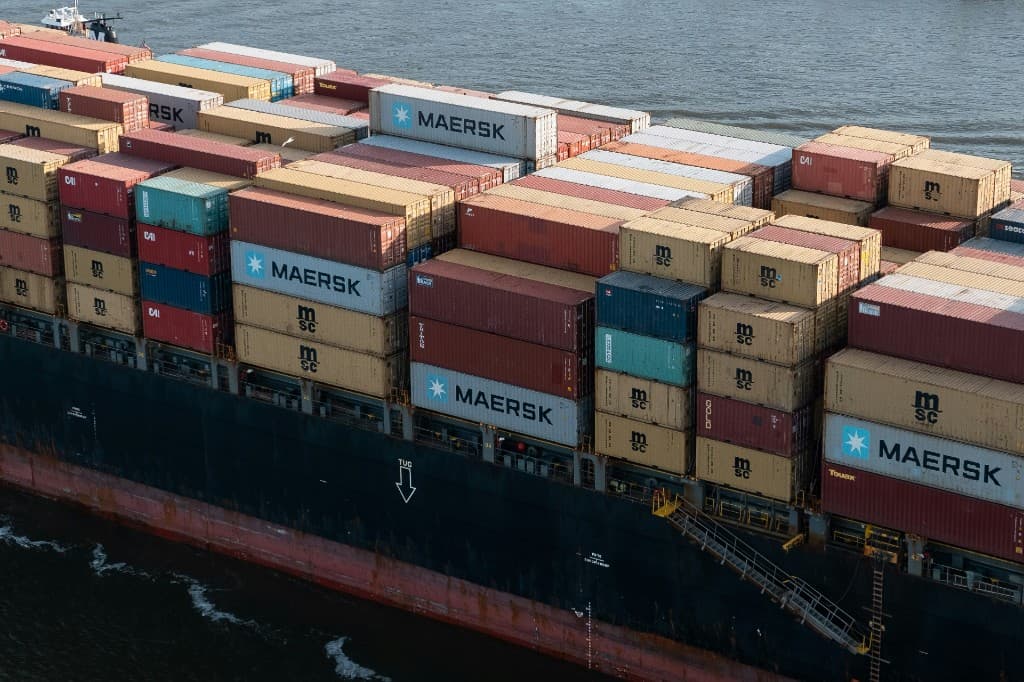
Loaded container ship at sea

Ocean

Ocean freight without the fog

Ocean moves on port schedules, not promises. Gate-in, loaded, departed POL, in transit, arrived POD, discharged — each is a step you can read on the tracking page. FCL when you fill a box; LCL when you share one.

Read more
Refrigerated freight truck at a container yard

Road

Corridors, not just last mile

Road is the stretch that makes air and ocean actually arrive at a door. Pickup, origin hub, corridor transit, destination hub, out for delivery. Casco land is for regional lanes and on-carriage after a port or airport.

Read more
Contact usGet started